
Filter
Sort by:
Custom UV DTF
Custom UV DTF
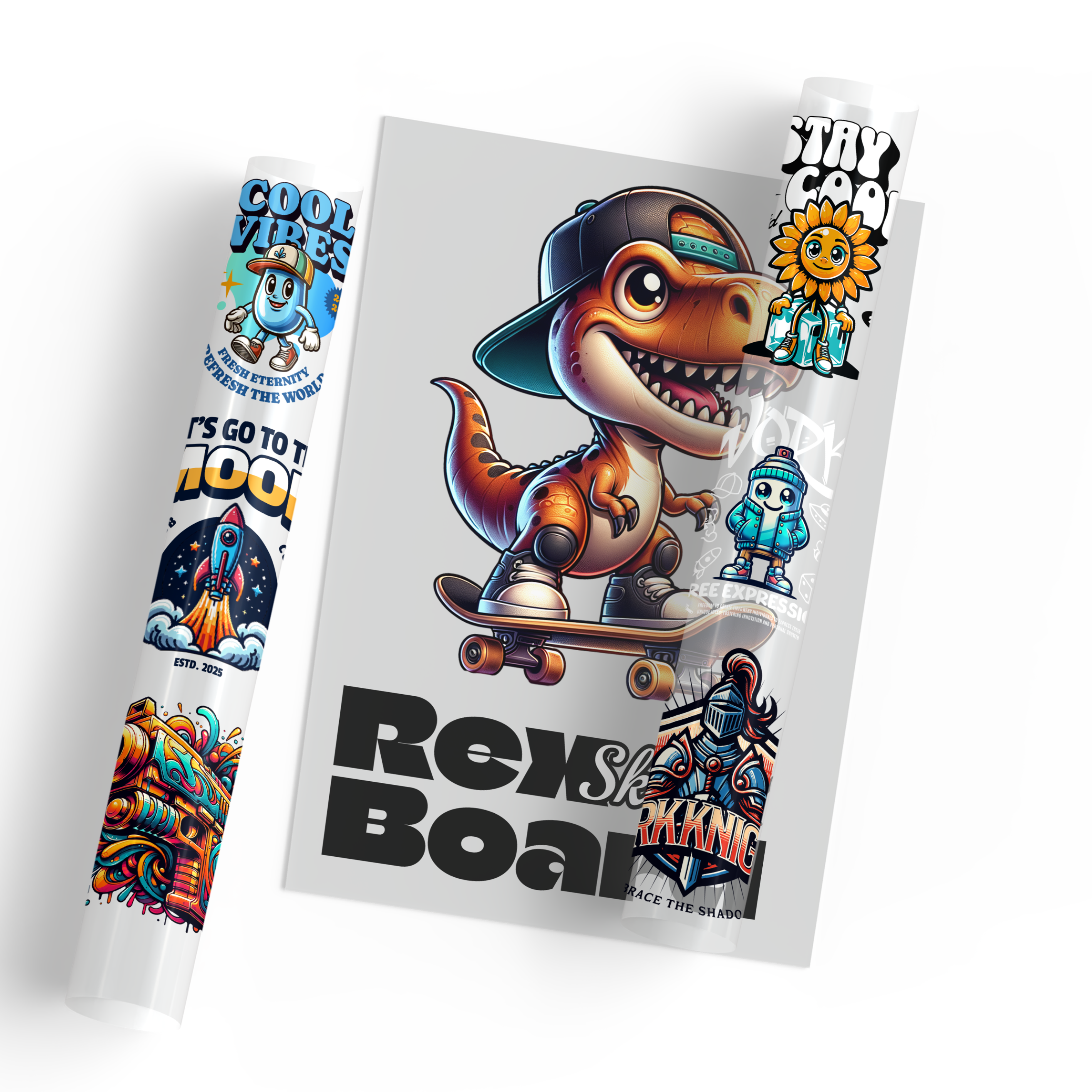
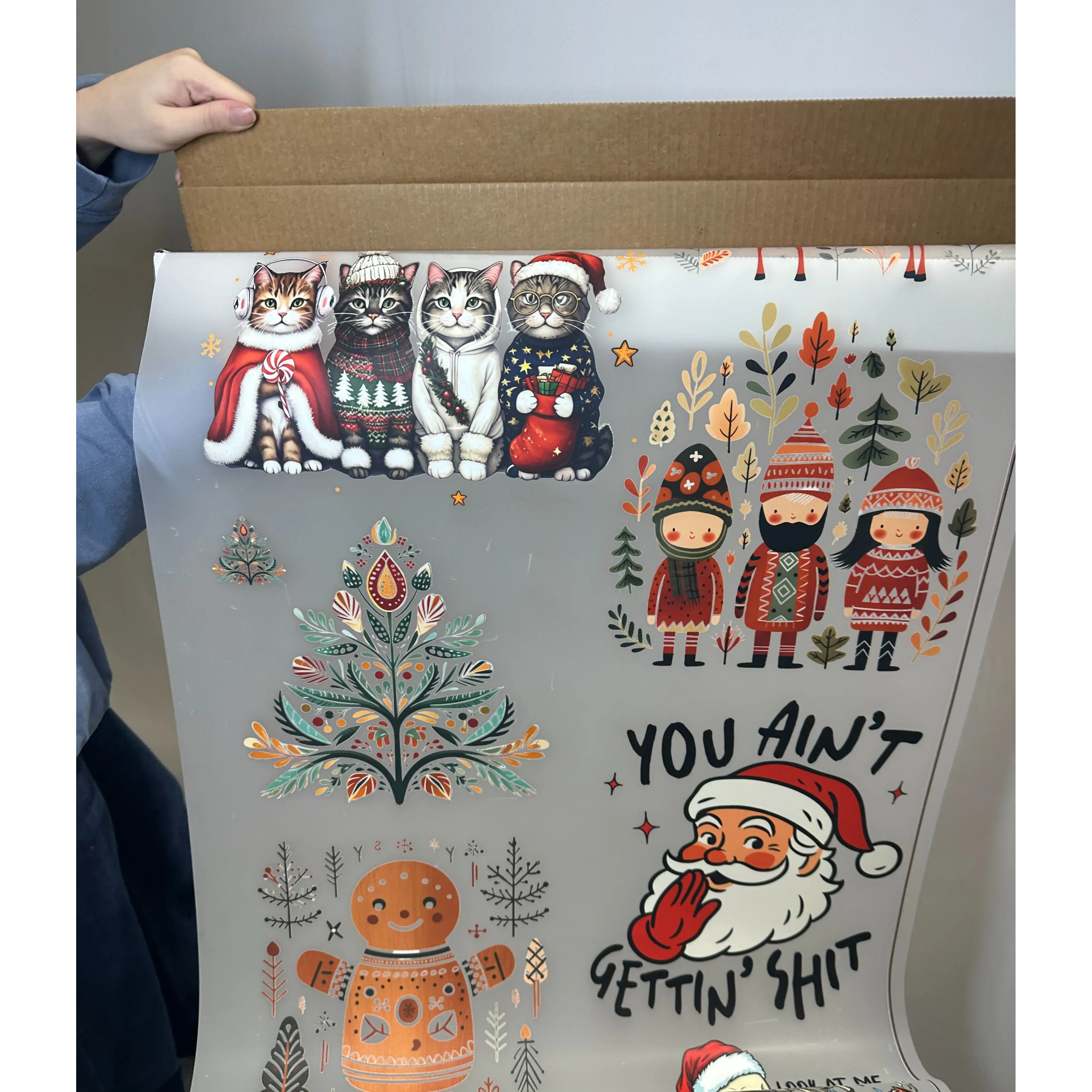
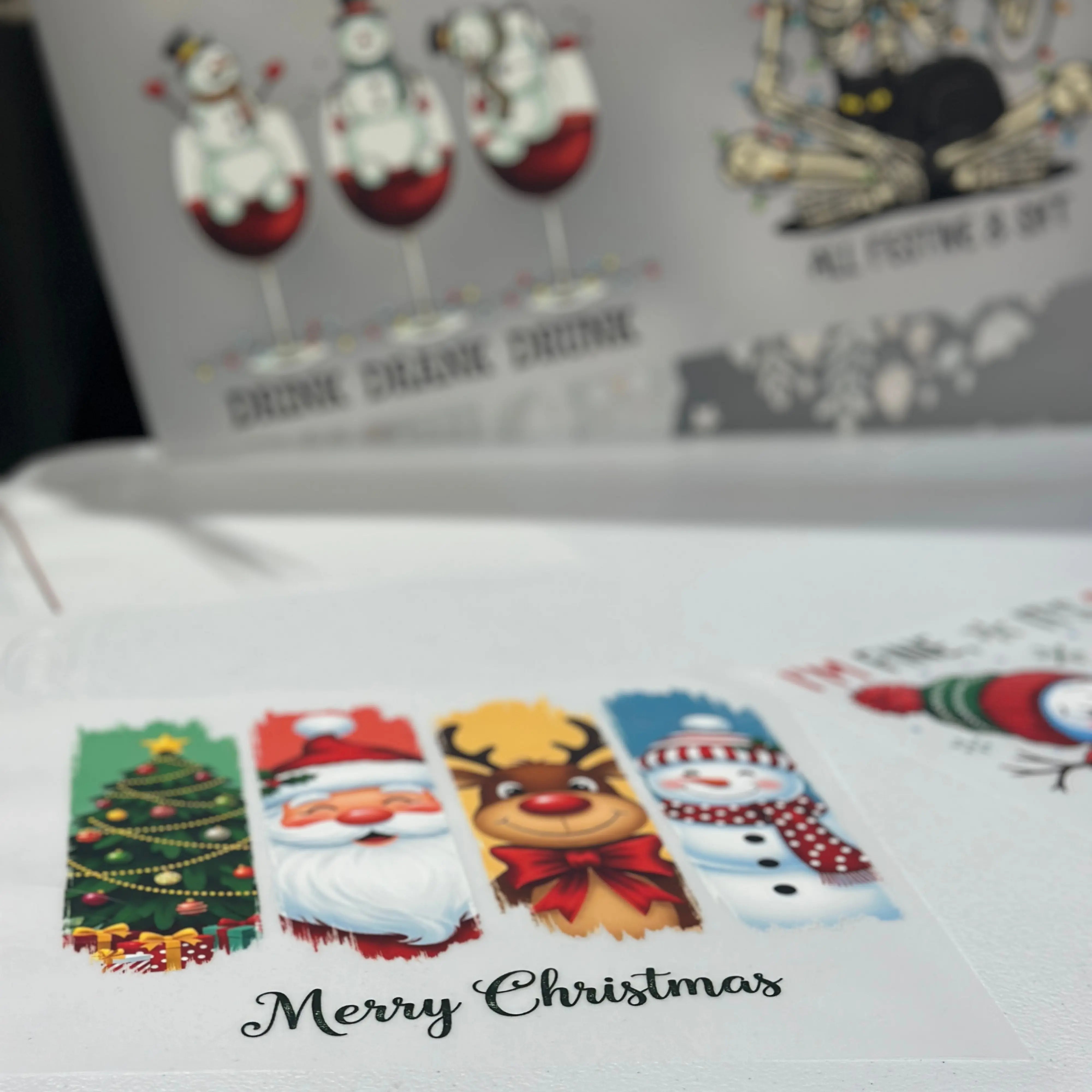
Custom UV DTF transfers turn your artwork, logos, and graphics into transfers designed for suitable hard-surface applications. They provide a practical option for customizing drinkware, promotional products, branded items, and other compatible surfaces without using a heat press.
The right UV DTF format depends on the surface, artwork dimensions, placement, quantity, and type of finished product you want to create.
What Are Custom UV DTF Transfers?
UV DTF uses UV-cured printing and transfer film to prepare custom designs for compatible hard surfaces. Unlike standard apparel DTF transfers, UV DTF is not designed around heat-press application to garments.
The transfer is positioned on the intended surface and applied using the appropriate pressure-based process. This makes UV DTF useful for projects where custom graphics need to be added to suitable rigid products.
For a broader selection of this transfer type, explore UV DTF Transfers.
What Can You Customize With UV DTF?
Custom UV DTF can support a variety of hard-surface personalization projects. Always consider the actual surface before deciding whether UV DTF is appropriate for the item.
Common project types can include:
- tumblers and drinkware,
- cups and bottles,
- compatible glass products,
- acrylic items,
- promotional products,
- product branding,
- labels and decorative graphics,
- and other suitable hard surfaces.
UV DTF should not be treated as a replacement for standard DTF transfers used for apparel. The two methods serve different applications.
Custom UV DTF Stickers
Custom UV DTF artwork can be prepared as sticker-style transfers for suitable hard goods. This format can support logos, lettering, illustrations, branding, and decorative designs.
When the project is specifically focused on sticker-style customization, explore Custom UV DTF Stickers.
Custom UV DTF for Cups and Drinkware
Cups and drinkware require artwork to be planned around the shape and usable application area of the product.
Before preparing the design, consider:
- Product dimensions: Measure the usable decoration area.
- Artwork size: Match the design dimensions to the product.
- Placement: Decide where the artwork should appear.
- Shape: Consider whether the surface is flat or curved.
- Quantity: Determine how many copies of each design are needed.
For projects specifically built around cups, explore UV DTF Transfers for Cups.
Custom UV DTF Cup Wraps
A cup wrap uses a larger design area than a small logo or individual graphic. Artwork should therefore be planned around the dimensions and shape of the intended cup.
Before ordering a wrap, verify the finished dimensions rather than assuming that one layout will fit every drinkware product.
Browse Custom UV DTF Cup Wraps when the project requires a wrap-style design.
Prepare Your Custom UV DTF Artwork
Start with the final artwork you want produced. Check the design at its intended finished dimensions before submitting it for production.
Review:
- Final artwork: Make sure you are using the approved design.
- Dimensions: Match the artwork to the available surface.
- Small details: Check text, lines, and important graphic elements.
- Placement: Determine where the design will be positioned.
- Quantity: Calculate the required number of transfers.
If several versions of the same artwork exist, keep the final production file separate from earlier drafts.
Use a UV Gang Sheet for Multiple Designs
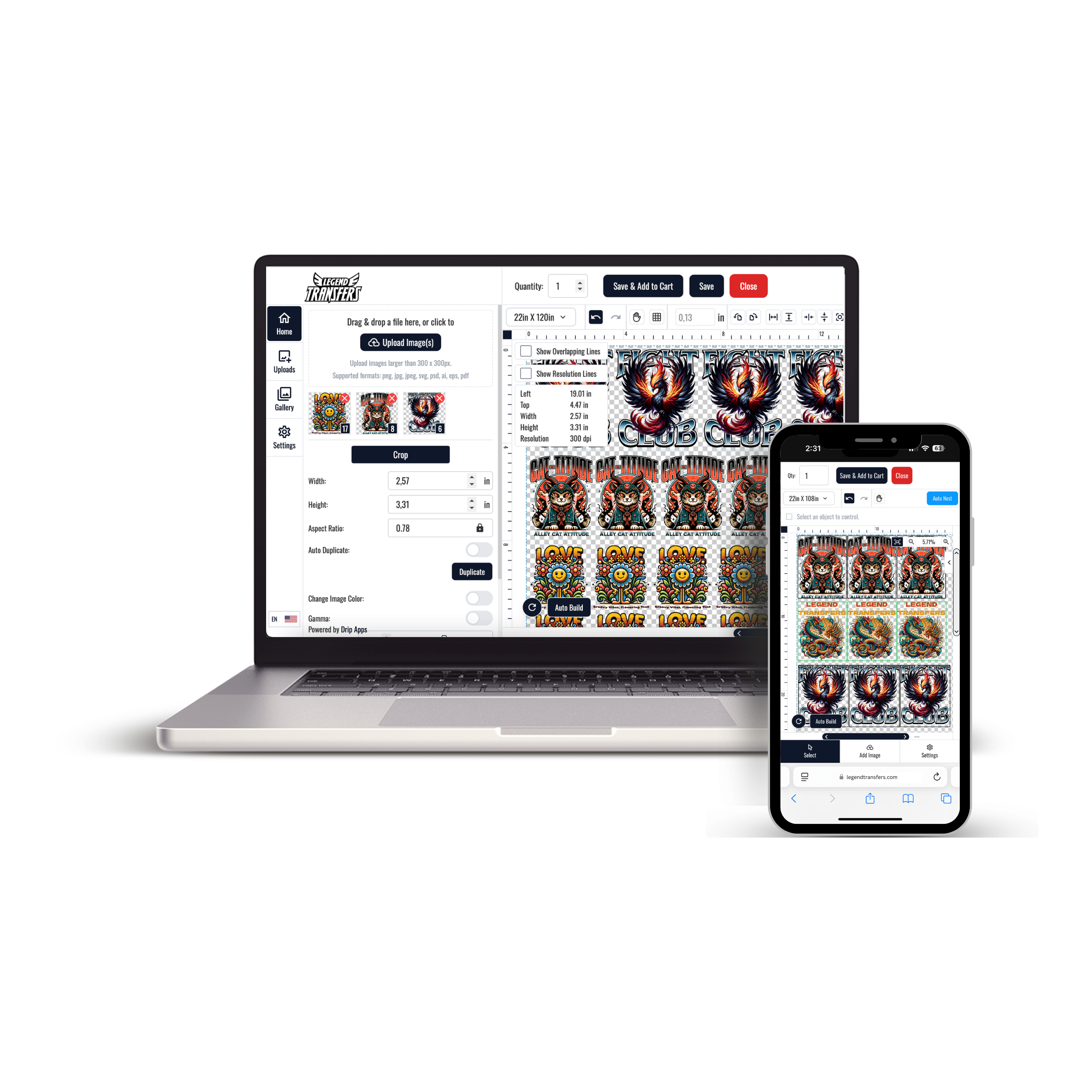
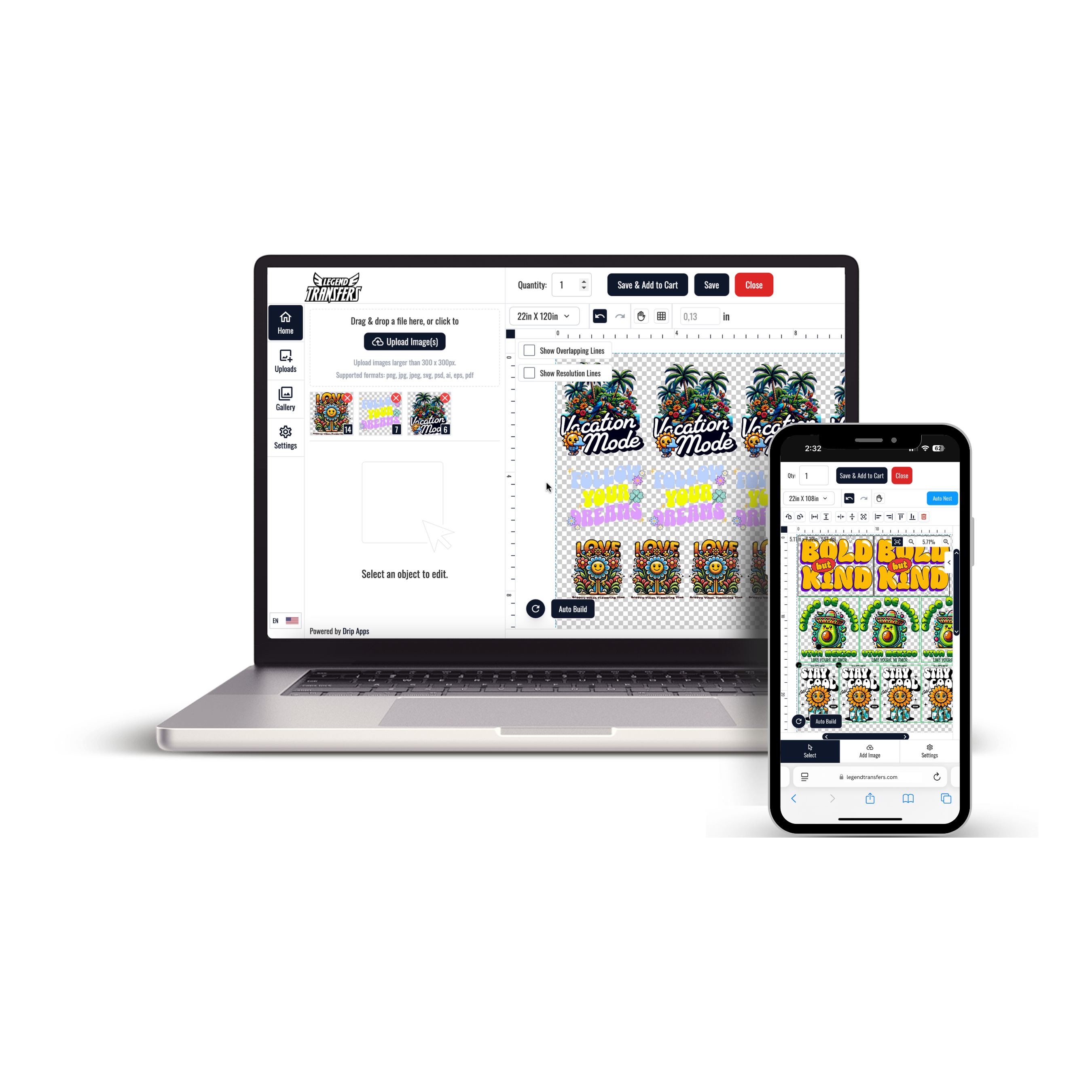
A UV DTF gang sheet can organize multiple hard-surface designs within one larger layout. This can be useful when a project includes repeated logos, different graphics, or several design sizes.
For example, one gang sheet might contain:
- multiple copies of the same logo,
- different customer designs,
- several product labels,
- small and large graphics,
- or artwork for different hard-surface products.
If you want to arrange the artwork yourself, use the UV DTF Gang Sheet Builder.
Prepare the Surface Before Application
The condition of the application surface matters. Before positioning a UV DTF transfer, make sure the intended area is suitable for the transfer and free from anything that could interfere with application.
Position the artwork carefully before committing to the final placement. Alignment becomes especially important with logos, centered graphics, labels, and wrap-style designs.
UV DTF vs. Standard DTF
UV DTF and standard DTF should not be treated as interchangeable transfer methods.
- UV DTF: Intended for suitable hard-surface applications and normally applied using pressure rather than a heat press.
- Standard DTF: Intended for compatible textile applications and applied using heat and pressure.
Choose the transfer method according to the item being decorated rather than selecting a transfer before identifying the surface.
How to Plan a Custom UV DTF Order
- Identify the product you want to customize.
- Confirm that the surface is appropriate for UV DTF.
- Finalize your artwork.
- Measure the available application area.
- Choose the required artwork dimensions.
- Determine the placement of the design.
- Calculate the quantity required.
- Decide whether individual transfers, wraps, or a gang sheet fit the project.
Choose Custom UV DTF for Your Project
The right custom UV DTF option depends on the finished product, surface, artwork, dimensions, placement, and quantity.
Start with the product you intend to decorate, prepare the artwork around its available application area, and then choose the UV DTF format that best matches the project.


